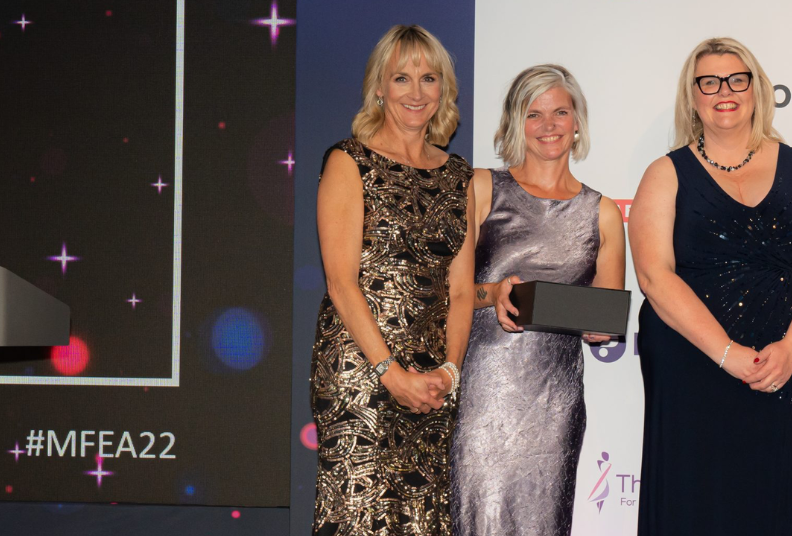
Jo Brewis is Professor of People and Organisations at Open University Business School, and co-author of the Government Equalities Office report ‘The effects of menopause transition on women’s economic participation in the UK’.
“Throughout my academic career I’ve always been very interested in gender, bodies and the workplace and how they intersect. In 2016 my then university had just become eligible to bid for a specific type of government funding. Shortly afterwards we all received invitations to apply to produce a systematic evidence review for the Government Equalities Office on the connection between menopause and work.
“At the time I thought this was exciting, and a potential door-opener for future government funding, but didn’t think too much more of it. Our team won the bid and everything took off from there, especially after the report was published in July 2017. It has become the biggest and most important project of my professional life, spawning other academic publications, engagement with the press, webinars and presentations. After doing some events with Henpicked: Menopause in the Workplace I was invited to join The Menopause Friendly Accreditation Independent Panel, which I was delighted to accept.
“This is a hugely important role for me. It’s an area where I can really see how work we’ve done on an academic level has had a definite and provable impact, something I take considerable pride in. As a panel member, I can bring my research knowledge and form a view as to whether the application is a menopause friendly organisation. I also learn a lot from the other panellists’ perspectives.
“I love to see the diverse range of organisations, sizes, sectors and industries making applications, and to read about the innovative approaches they’ve taken in the context of their own workplace.
It’s not enough to say you’ve changed culture, it needs to be demonstrated
“It’s fair to say the application and accreditation process is quite demanding. We want to see employers are hitting all of our criteria. It’s not enough to say you’ve changed your culture without showing how that permeates across the whole organisation. Reasonable adjustments are great, but how have they been received, what are the people on the ground saying about them? These are the things we are looking for before we will accredit a company.
“I think the bar is being set ever higher. As resources become more widely available, organisations can see what others are doing, and use this to shape their own ideas and initiatives.
Making a real impact on the lives of people struggling with menopause
“For me, it all starts with cultural change. Making a real impact on the lives of people struggling with menopause at work means changing hearts and minds so they are understanding of the issues that menopause can often bring.
“A real standout application was in the early days, from Atos. This was during the pandemic, when a lot of their workforce was working from home. They set up an ergonomic and physiological assessment for their office workstations, but extended this out to their homeworkers. I was really impressed with this, as it created a sense of helping their people be at their best wherever they were.
Breaking down barriers about capabilities and performance
“I’m always pleased to see senior management taking up the baton. Often these initiatives start small, often by a single person who may have had their own issues with menopause and want to make the change for others. This really starts to stick when they get senior management on their side, leading the charge and showing willing to front the engagement. It’s hugely impactful when men get involved, and also when senior women leaders talk about their own menopause. This can help to break down barriers about capabilities and performance, as others see talented, successful women who may have had to tackle menopause issues.
“When I first starting investigating menopause and work back in 2016 you could count the number of employers doing anything on the fingers of one hand. Data from the CIPD now suggest almost half are now taking action, which is phenomenal. It’s all about education and knowledge: if you don’t know what menopause is or how it can impact, you’ll never understand why things need to change. And the more educated your workforce is from the top down, the better chance you’ve got of making your initiatives stick.
“I’m so looking forward to this year’s Menopause Friendly Employer Awards. It’s a great event and I love the buzz. Everyone is excited to be part of it, taking inspiration from each other. I also really love that it’s hybrid, so if you can’t physically join in then you can take part from wherever you are.
Winners are always so delighted to get recognition, it really is fantastic.”