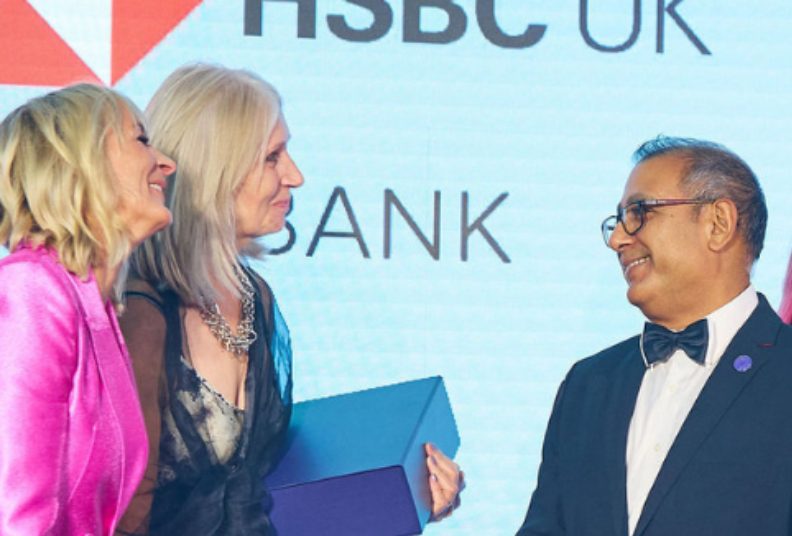
Suzanne Banks CBE is a retired chief nurse, currently working as non-executive director in an ambulance trust and with an independent organisation on digital quality assurance. She recently finished a project with NHS England as clinical lead on their national menopause programme.
“I’m very proud to be on the Independent Panel, as organisations becoming menopause friendly is important to me. Back in 2016 when I was working as a chief nurse I was perimenopausal and so were a lot of my colleagues. I wanted to see how we could support menopause in the workplace, but I didn’t want a tickbox exercise – it needed doing properly. The change we saw in our organisation over the next two years was transformational.
“When I retired I was asked to become a panel member, and it didn’t take much for me to say yes! The work I did was predominantly around cultural change and I wanted to use my experience and expertise to help other organisations do the same.
Cultural change is a key element of progress
“To me, being part of the Independent Panel means looking at what organisations are doing in a wider context – when you put all the pieces together do they fit, do they comprise cultural change? It’s interesting for me to hear from other panel members from different industries and learn why some applicants have done things a certain way or taken a particular route.
Sharing stories can help boost engagement
“We’ve definitely moved on. At first, most applications were about answering the question to receive accreditation, whereas we are tending to see more convincing evidence now. It’s important to see that every layer within the organisation is engaged. One of the key things for me is for leaders to show their vulnerability in sharing personal stories, whether they are male or female. This can show employees that this isn’t a stunt, that they care and they really mean it.
“One application in particular stands out to me in terms of how they engaged some quite disparate parts of the business, with people working from home, in the community and in the headquarters. They brought in support for all of these areas, also considering diversity and equality, cultural background and approach. It was so comprehensive and impressive. They could have taken a simpler route but chose not to.
“When I look at applications I always think about the colleagues I worked with: there was one nurse in particular who triggered our work initially. I always ask myself how she would have coped in that organisation, would she get the right support? If you go into the organisation and speak to someone not at senior level, what would they say? What would this mean to them?
Making support a normal part of everyday practice
“Changing culture for me is about considering ‘the way we do things in our organisation.’ In terms of the menopause, it’s about making the support part and parcel of everyday practice. I always remember a colleague on a ward visit experiencing a hot flush asked to be excused while she got herself a glass of water. She said this openly in front of two male colleagues from the Estates department who she did not know, and it was at that point that I felt we must definitely be doing something right.
“If you’ve got an open, honest and engaging culture everyone knows where they stand. You can challenge what’s ‘always been done’ and push for change, holding people accountable but in a kind, caring way. Nothing needs to be aggressive or unreasonable.
Learning from each other
“The work we’ve seen so far in terms of menopause support has been nothing short of inspirational. The thing I love to see the most is when organisations adopt best practice from each other – some tell us in their applications they’ve done this. It’s not about sitting on your own initiatives and keeping them secret, but about learning what works and sharing this as good practice. I think it would be lovely to see even more of this going forward.
“It’s wonderful to see an increase in support for menstruation and menstrual health issues starting to come in. These can impact people for a number of years and be quite significant in a lot of cases. Essentially, if you want to retain your talent then offering the right support is essential.
“The challenges here may be that these issues can affect a large number of people in the workplace and there can be pushback of ‘this is support for women, what about men?’ But to me, it comes back once again to culture. If you have a culture of caring for your colleagues’ wellbeing then this will extend across the whole workforce and your entire organisation. It’s not really about feeling that you ‘should’ be supporting certain things, but about that you want to make your workplace a great place to be, for everyone.”
Read more from Suzanne Banks CBE:
- Royal College of Physicians: Menopause – breaking the taboo
- National Library of Medicine: Menopause and the NHS: caring for and retaining the older workforce